What six years of collaboration has taught us about systems change
How do you bring many voices together around one vision, and turn that collective effort into lasting change?
That was the question at the heart of ‘Many voices, one vision: Collaboration as a Catalyst for Systems Change’, a breakout session at the Philanthropy Australia Conference in Brisbane on 9 September.
The session used the six-year journey of Music Education: Right from the Start as a case study in collective advocacy for systems change. Beyond its intrinsic value, a substantive body of evidence shows music education is one of the most powerful tools we have to strengthen learning, wellbeing and child development in Australian schools. Yet despite being part of the Australian Curriculum, access across Australia remains inequitable.
While many have worked to address this challenge over decades, efforts have often been fragmented. By bringing diverse voices together around a shared vision, Music Education: Right from the Start is seeing signs of traction, from greater sector alignment and engagement to music education gaining attention on the agenda at both national and state jurisdictional levels.
Initiative lead Emily Albert, executive director at Alberts is one of four fifth-generation family members working to shape the next chapter of the 140-year-old family business, which has a deep legacy in Australia’s music and entertainment sectors.
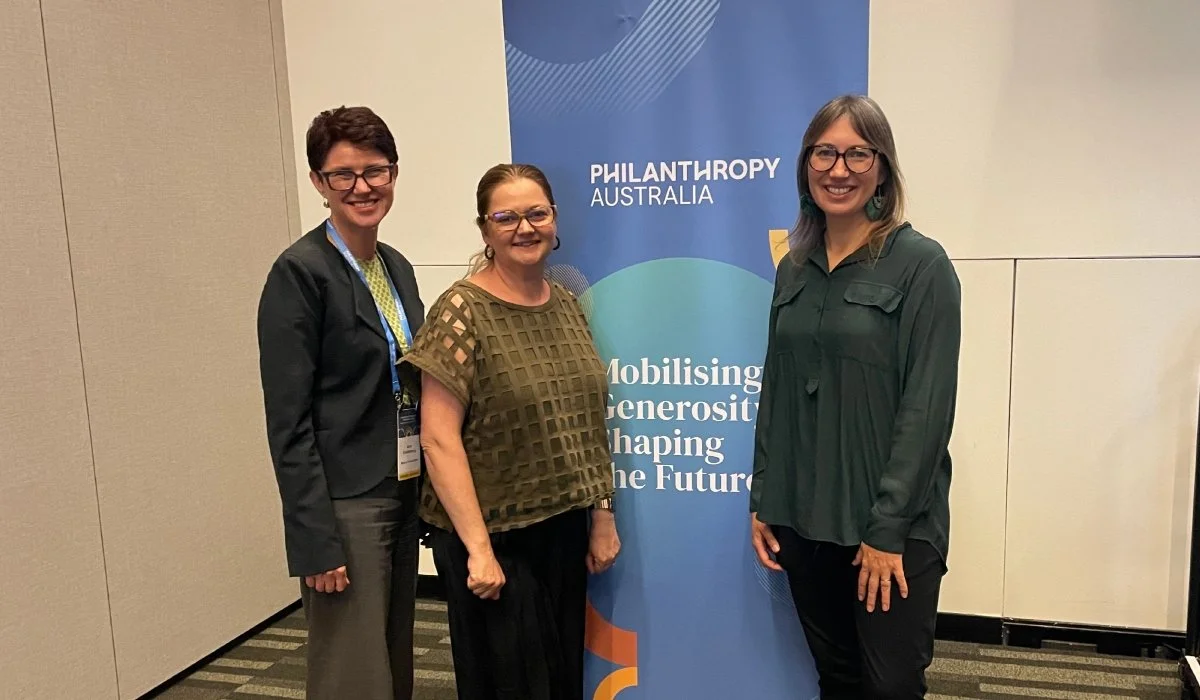
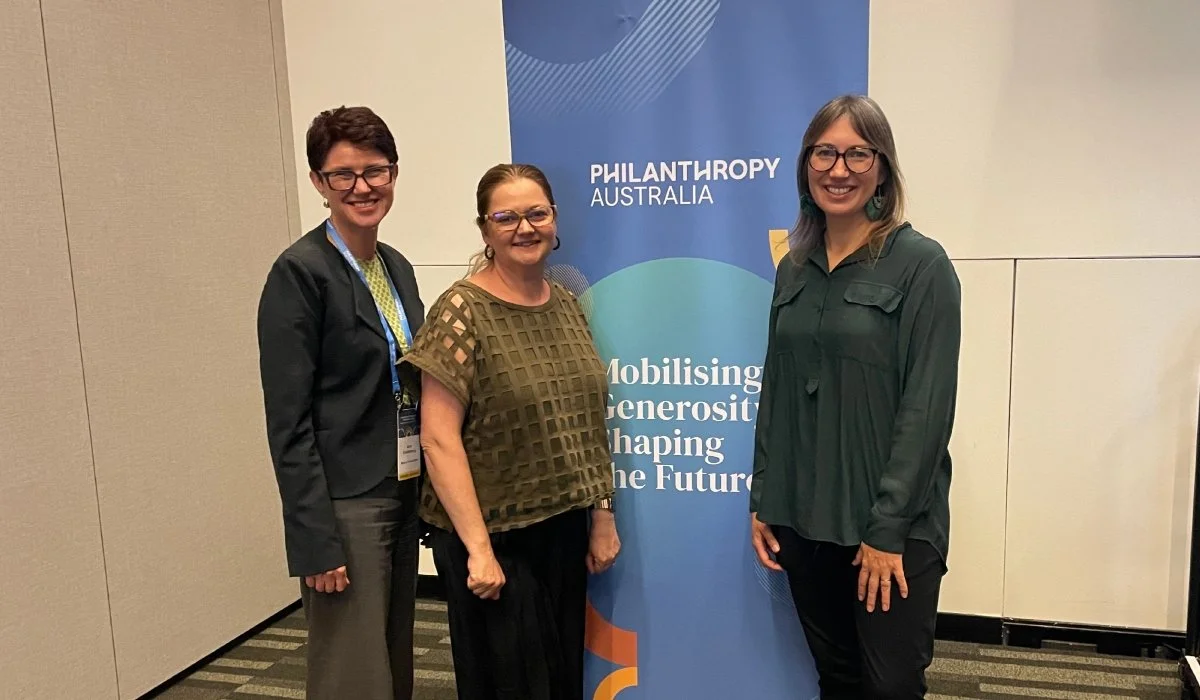
At the Conference, Emily was joined by Anne Frankenberg, CEO of Musica Viva Australia, and Dr Rachael Dwyer, Associate Dean, Learning and Teaching, University of the Sunshine Coast and National President of the Australian Society for Music Education (ASME) – both members of the Music Education: Right from the Start’s expert working groups.
Together, they shared seven key lessons from the initiative’s journey so far:
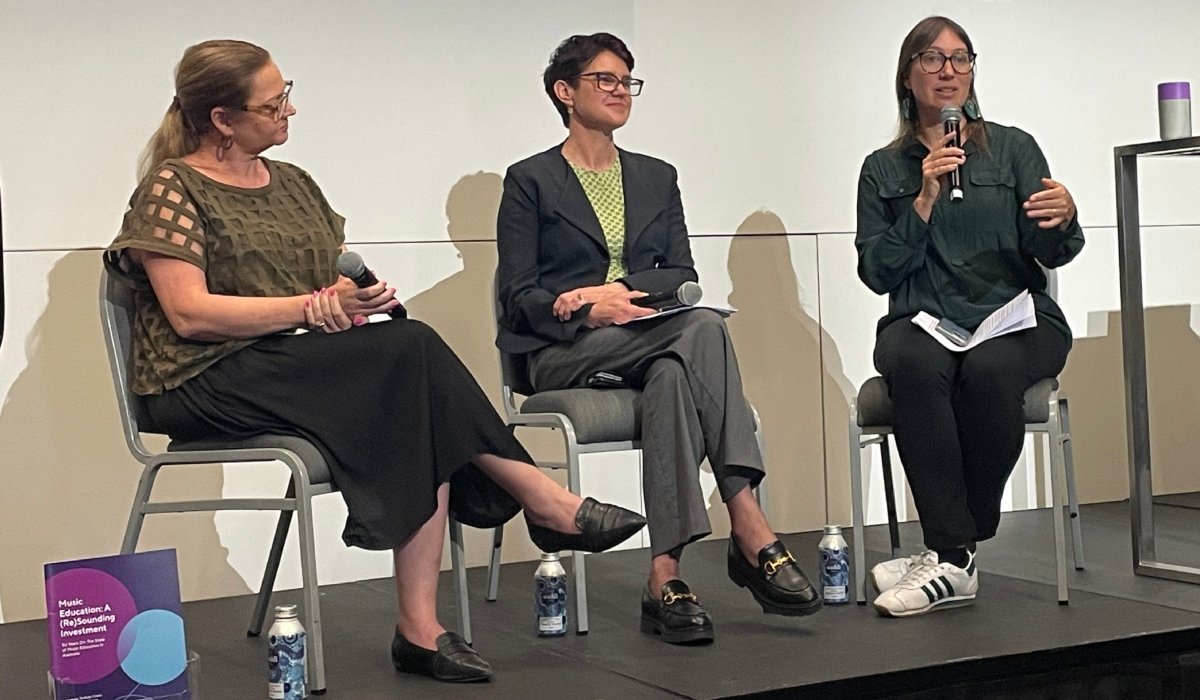
(From left): Dr Rachael Dwyer, Anne Frankenberg and Emily Albert presenting at the Philanthropy Australia Conference in Brisbane in September 2026.
1. Understand, define and bound the problem
The Music Education: Right from the Start initiative started with research to understand the state of music education, the evidence behind it and the barriers to change, then tested it with stakeholders spanning education, research, not-for-profits, the music industry, philanthropy and industry associations. We also narrowed a much broader ambition to focus on public primary school classroom music education.
“Be ambitious about the outcome, but focused about where you can realistically influence change,” said Emily. “A strong shared vision gives a diverse collective something to organise around while allowing flexibility in how you get there.”
2. Establish a backbone organisation, and fund it patiently
Many of our partners are running not-for-profit organisations, delivering programs, undertaking research and representing members. They do not necessarily have capacity to also coordinate long-term systems advocacy. “We are all in our hamster wheels focused on excellence in program delivery”, said Anne. “And we don’t have capacity for the amount of time that effective long-term advocacy involves.”
Alberts | The Tony Foundation has played this backbone role, funding the initiative’s core project team and activities to provide continuity over the past six years. “Patient funding has been critical,” Emily explained, because many of the things that matter most in systems work, including “trust, relationships, convening, research and coordination”, are difficult to attribute to an immediate outcome. The backbone’s role is not to own the solution, but to enable and amplify the collective.
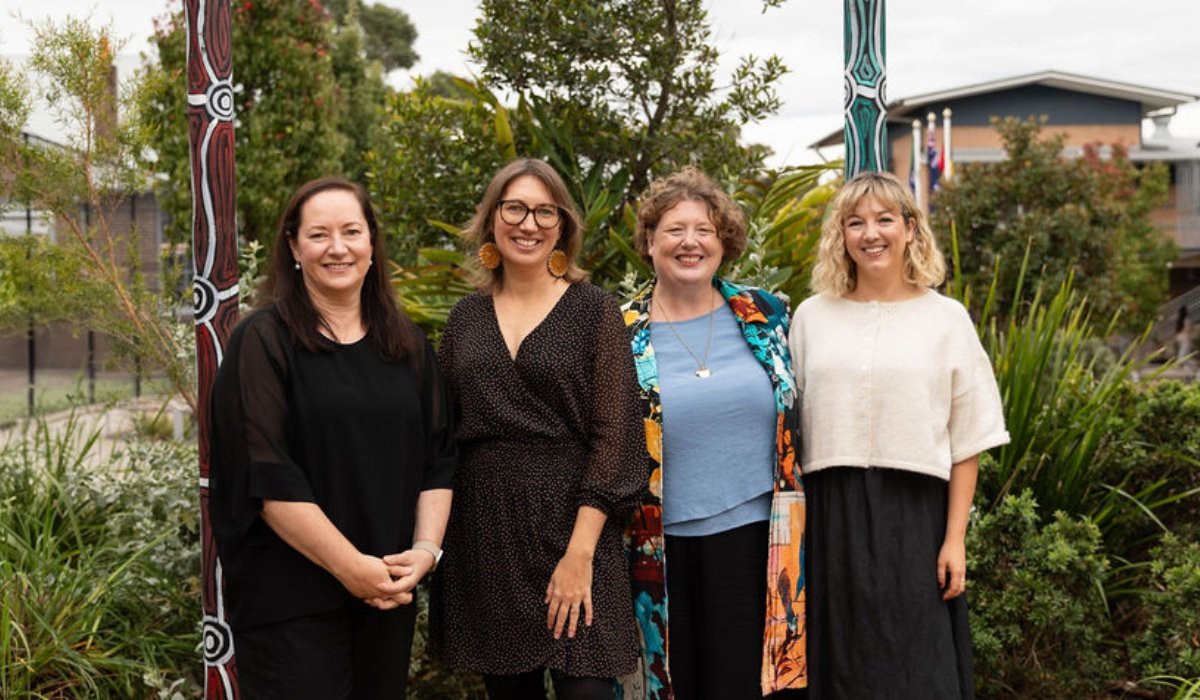
Music Education: Right from the Start’s core project team (from left): Dr Anita Collins, Emily Albert, Judith Bowtell and Alicia Neil.
3. Create the infrastructure for collaboration
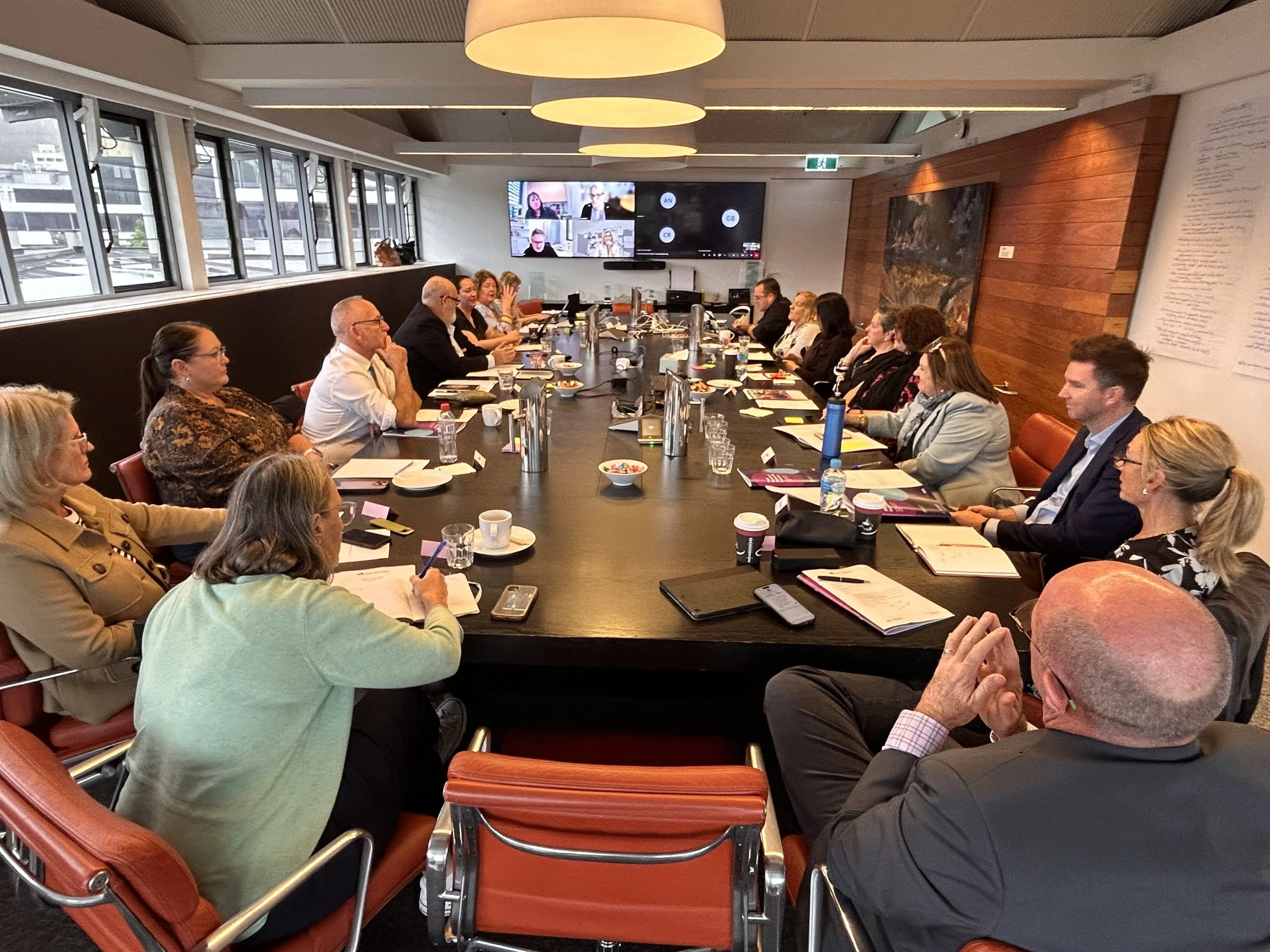
Our Advisory, Advocacy and Knowledge Base working groups bring together people from across education, research, not-for-profits, the music industry, philanthropy and industry associations, creating practical ways for them to contribute their expertise. Regular stakeholder briefings also help us test ideas, develop shared positions and coordinate advocacy.
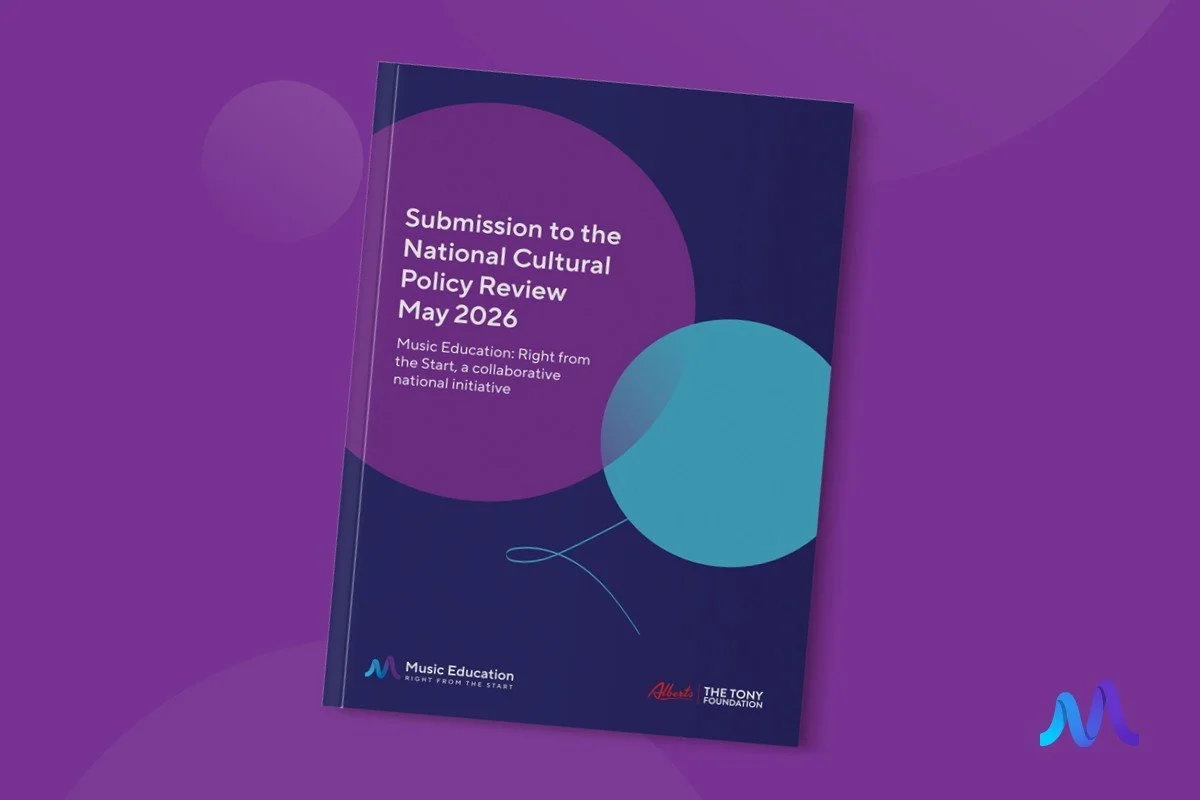
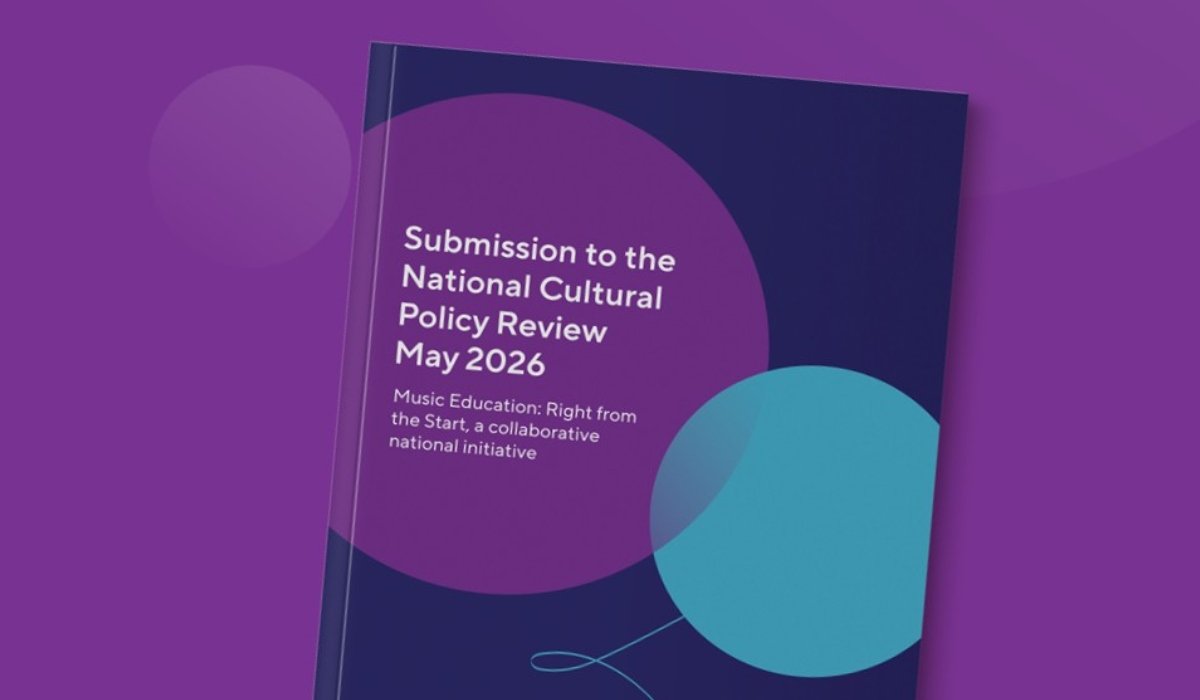
“The Music Education: Right from the Start alliance has allowed a common language and set of advocacy priorities that we have all agreed to, and which we can all convey to those with influence,” said Anne. Most recently, more than 40 cross-sector stakeholders endorsed our shared position in a submission to the National Cultural Policy review.
That alignment can also make individual advocacy feel part of something much bigger. For Anne, “to have that backup of all the people pointing in the same direction you are feels really powerful.”
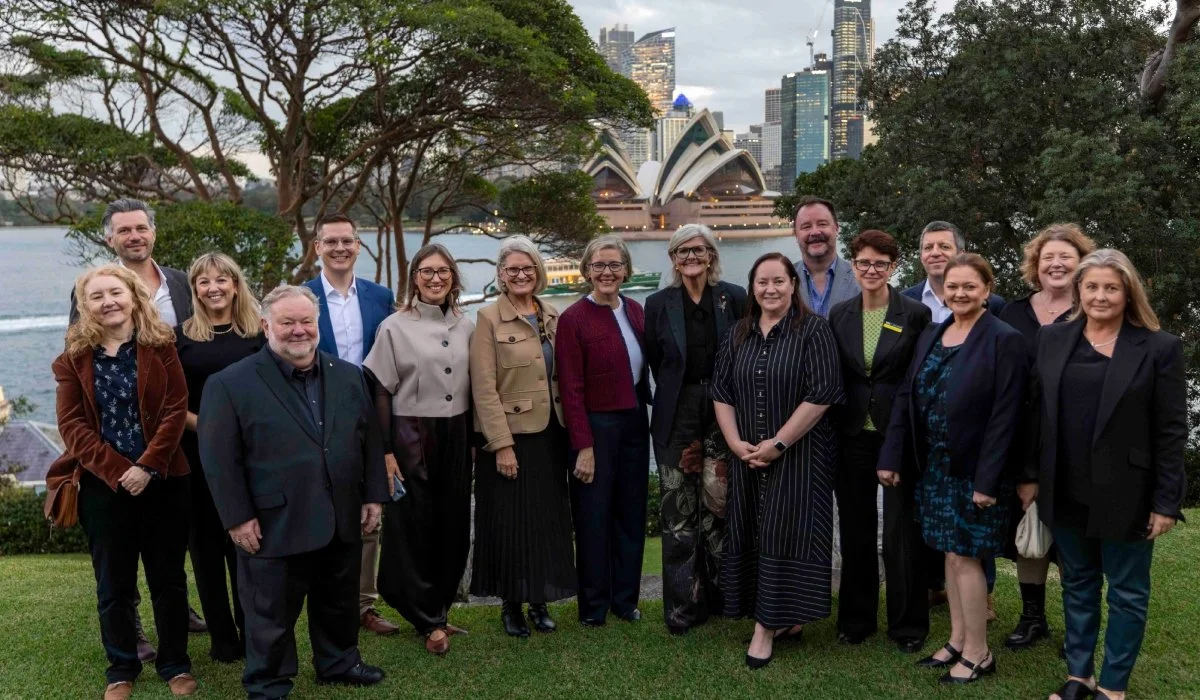
The Governor-General, patron of Music Education: Right from the Start, with members of the initiative’s expert working groups and project team, at Sydney’s Admiralty House in May 2026.
4. Map the system, and find champions and connectors
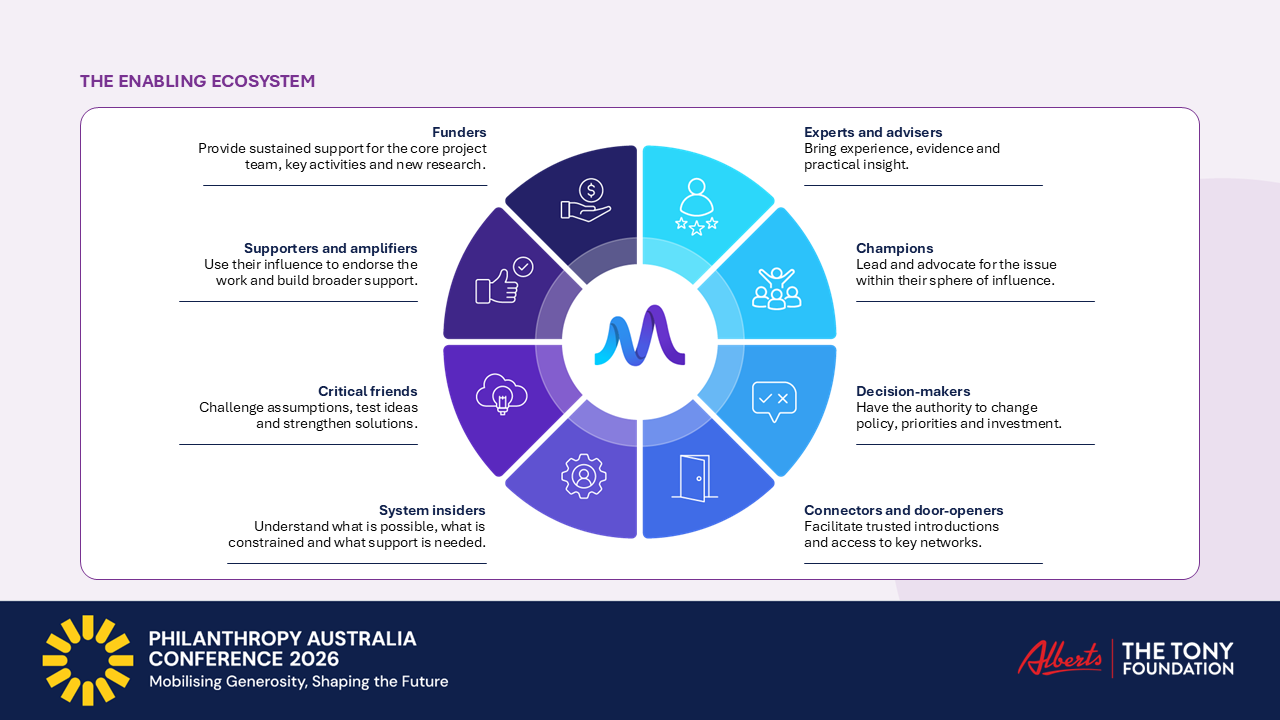
We needed to understand who is involved, where influence sits and, importantly, where decisions are actually made. Champions within government have helped keep music education on the agenda, while connectors across our network have opened doors we might otherwise struggle to reach.
In NSW, for example, a relationship with the Teachers Federation paved the way for conversations with the Department. Systems are ultimately made up of people, so relationships and influence can be as important as formal structures.
5. Build trust by being credible, useful and respectful
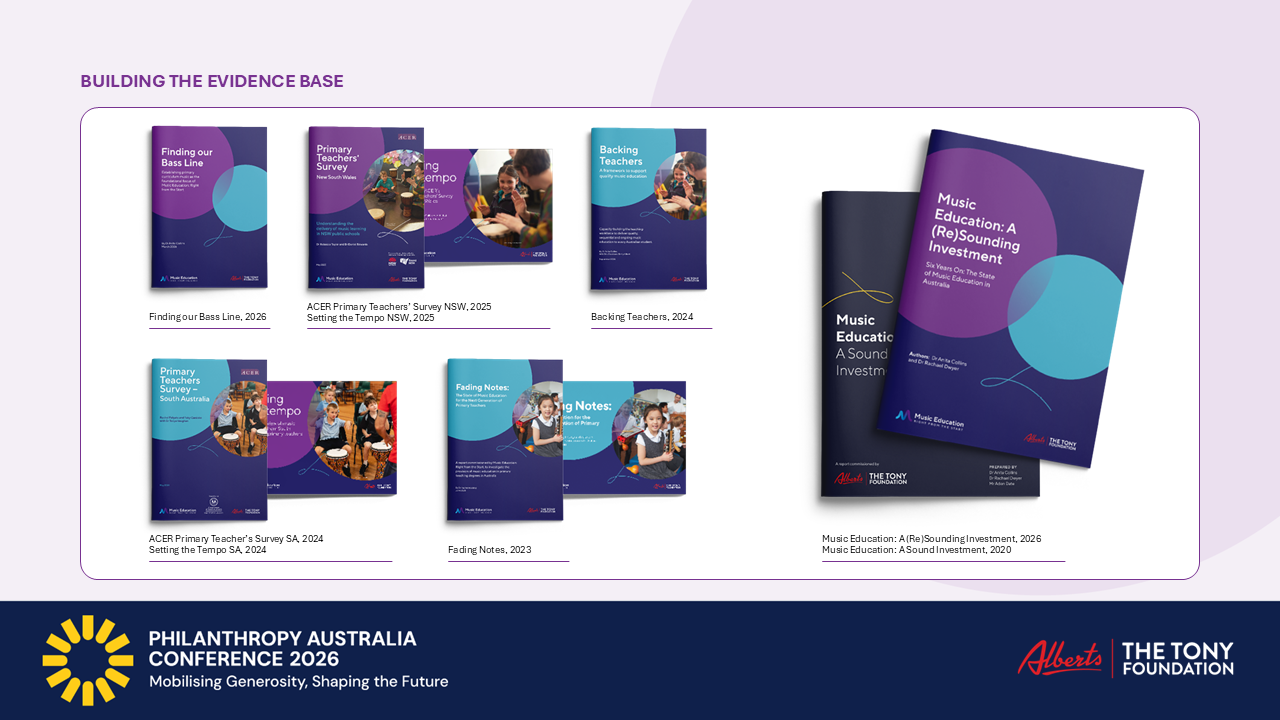
A strong evidence base allows us not only to demonstrate a problem, but to bring plausible solutions to decision-makers. Broad consultation also means ideas have been tested with stakeholders before we take them to government. Over time, our relationships have evolved from identifying the problem, to being asked what we want, to being sought out for our perspective, reflecting growing trust and influence.
“In doing that,” Rachael said, “the collective can present decision-makers with tangible, realistic solutions, rather than simply presenting another problem to solve.”
6. Move from raising awareness to having a clear ask
Initially, much of our work was about establishing that there was a problem deserving attention. As our understanding developed, our asks became more specific, practical and tailored, from election asks and parliamentary inquiries to the National Cultural Policy review and solutions to issues identified through our research.
“You don't necessarily need the perfect policy solution on day one,” said Emily, “but eventually awareness has to translate into a clear and actionable ask.”
7. Have a strategy, but follow the open doors
Multi-year strategies have kept us focused, but the path has rarely unfolded as expected. Some jurisdictions have progressed faster than anticipated, unexpected opportunities have emerged, and sometimes it simply has not been the right time to push.
We have learnt to hold the shared vision firmly while remaining pragmatic and flexible about the route. “We need to take people from no, to maybe, to yes,” Emily said.
Six years into Music Education: Right from the Start, one lesson stands above all: systems change is rarely achieved alone. Bringing diverse voices together around a shared vision, and creating the conditions for them to act collectively, can build the trust, influence and momentum needed to move towards lasting systems change.
Explore the journey of Music Education: Right from the Start and our progress over the last year in our recent report, Music Education: A (Re)Sounding Investment.